
Introducing our new Board Members
We’re excited to announce three new Board Members who have recently joined KIN to support the organisation.
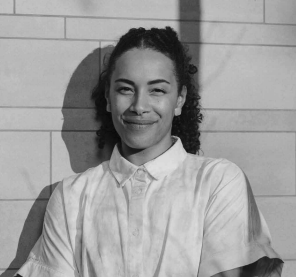
Samie (she/they) is a social and climate justice facilitator with a background in environmental policy, intercultural studies, and creative communications. With a work and political ethos that revolves around community building and collective imaginations toward a just and resilient future, Samie regularly curates, hosts and facilitates events on topics related to sustainability, environmental justice, anti-racist decolonization, and ecosystem mapping. She currently co-leads the Collective Abundance project - a movement-building initiative that engages philanthropic funding as a tool to help strengthen the Climate Justice ecosystem across Europe.
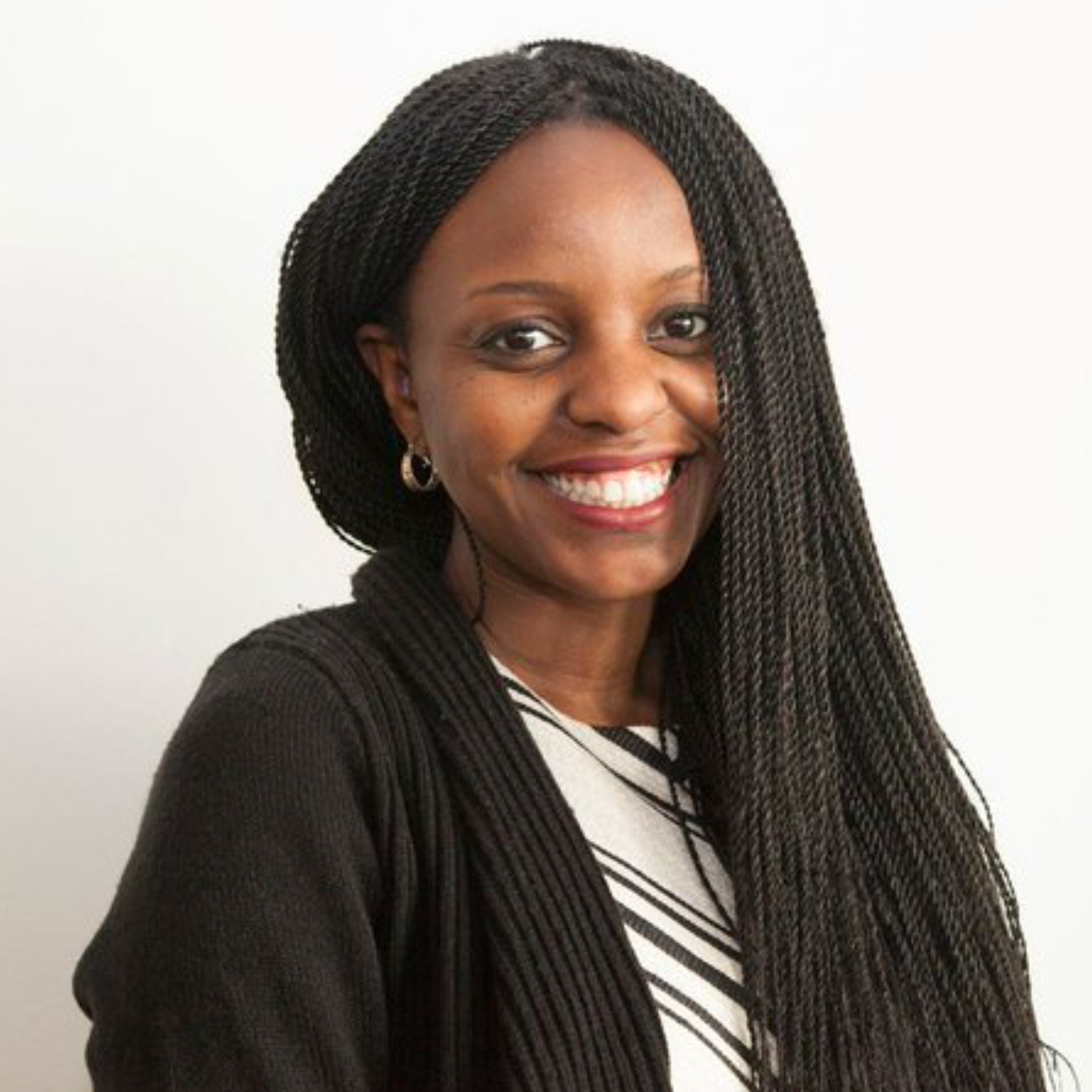
Liz Chege (she/her) is a curator, critic and researcher based in Glasgow and Nairobi. In 2022, she was honoured to be invited as a Salzburg Global Seminar Fellow, Acumen Fellow and BAFTA Scotland member. She is a Berlinale Talent alumni and founding member of Come the Revolution, a collective of creatives committed to exploring Black life and cultural expression through cinema. She was programme producer of British Council’s “No Direct Flight” at the British Film Institute, a cross-media exploration of global African diaspora moving-image makers; and is currently Lead Programmer for Leeds International Film Festival’s Oscar®-qualifying Louis le Prince International Competition as well as co-founder of Glasgow Film Festival’s Black Filmmakers Community Network.
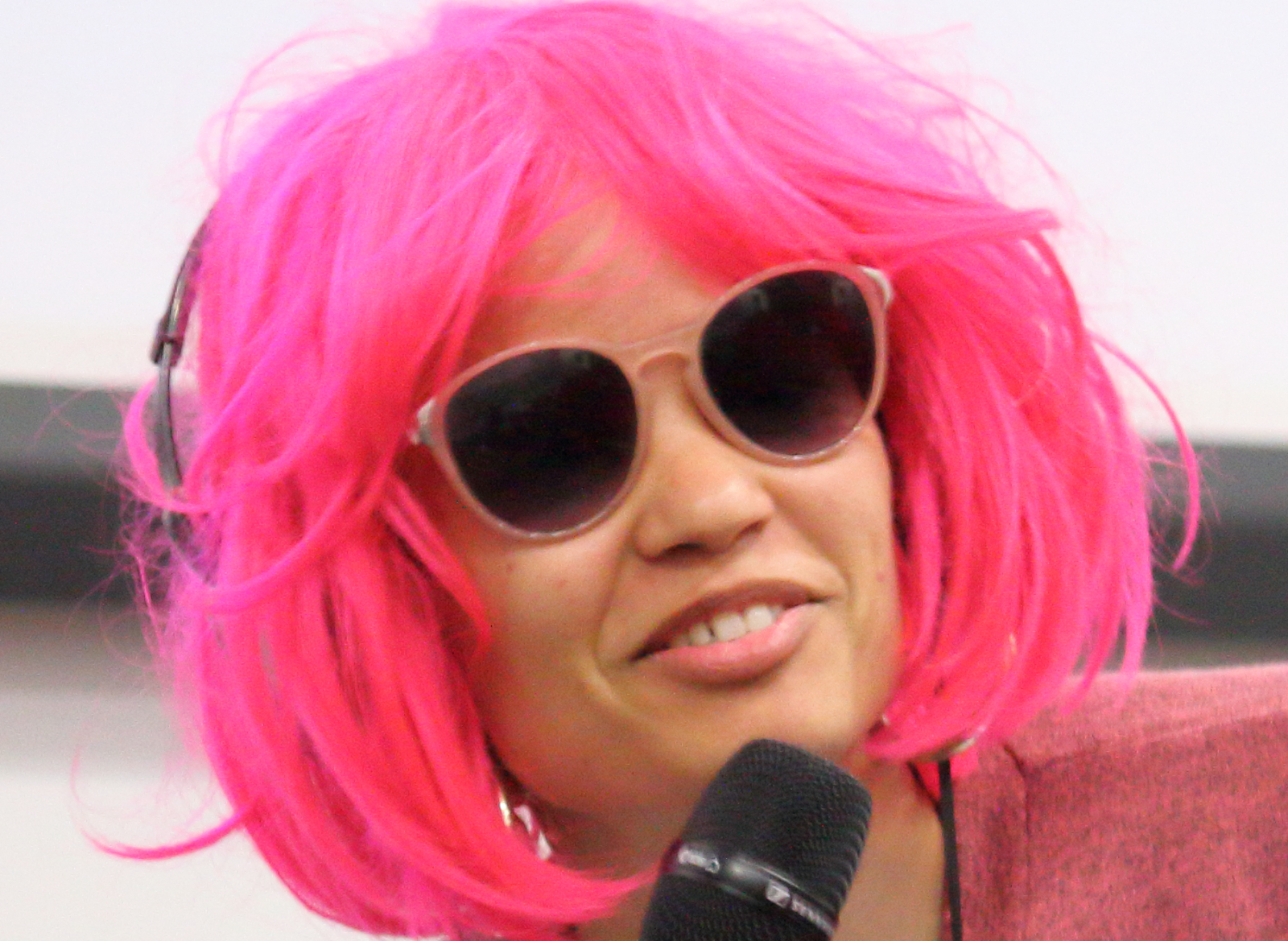
Laura Barker (she/her) is a facilitator, youth worker, writer, carer, and community orchardist. She used to organise with Black Lives Matter and is part of the Plantain Federation. She co-runs a queer black writing group in London and is Obsidian Foundation poet alumni. She is an Aries Taurus double stellium and her favourite TV show of the ‘90s is Sunset Beach. She’s a fan of the original Aunt Viv and her favourite crisps are Ready Salted.
